
If you’ve felt like technology is moving faster in the last two years than it did in the previous ten, you’re not imagining it. The newest technology isn’t just adding convenience anymore—it’s reshaping how work gets done, how businesses compete, and how individuals make decisions every single day. What used to feel experimental or “five years away” is now landing directly in inboxes, workplaces, hospitals, classrooms, and homes.
This matters because most people are reacting instead of preparing. Founders scramble to adopt tools they barely understand. Professionals worry their skills are aging faster than their resumes. Businesses invest in tech stacks without clarity on outcomes. Meanwhile, those who understand how the newest technology actually works—not just what it’s called—are gaining a quiet but compounding advantage.
This article is for builders, professionals, creators, operators, and decision-makers who don’t want hype or buzzwords. It’s for people who want to understand what’s real, what’s useful, and what’s worth ignoring. You’ll learn how the newest technology fits together, where it’s already delivering measurable value, how to apply it step by step, and how to avoid the costly mistakes most people make when chasing trends.
By the end, you won’t just “know” the newest technology. You’ll know how to use it with confidence and intent.
Understanding the Newest Technology (From Beginner to Expert, Without the Jargon)
At its core, the newest technology isn’t a single invention or product. It’s a convergence. Think of it like a modern city rather than a single building. Artificial intelligence, automation, immersive interfaces, advanced computing, and connected systems are growing together, feeding off one another, and accelerating progress in ways that feel nonlinear.
A helpful analogy is transportation. Early cars replaced horses. That was a clear upgrade. But today’s transportation systems combine GPS, real-time traffic data, ride-sharing platforms, electric power, and autonomous features. No single piece matters alone; it’s the integration that changes behavior. The newest technology works the same way.
For beginners, it helps to see this as tools getting better at three things: understanding information, making decisions, and taking action. Machines can now read, listen, see, predict, and respond at scales humans simply can’t. For more advanced users, the real shift is architectural. Systems are becoming adaptive, self-improving, and context-aware. They don’t just follow instructions; they learn patterns and optimize outcomes.
What’s often missed is that the newest technology isn’t about replacing humans. It’s about compressing time. Tasks that took weeks now take hours. Insights that required teams now come from dashboards. Experimentation that once cost thousands now costs almost nothing. Understanding this mental model—time compression—is what separates surface-level awareness from true expertise.
The Core Pillars Driving the Newest Technology Forward

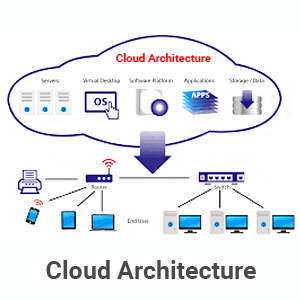
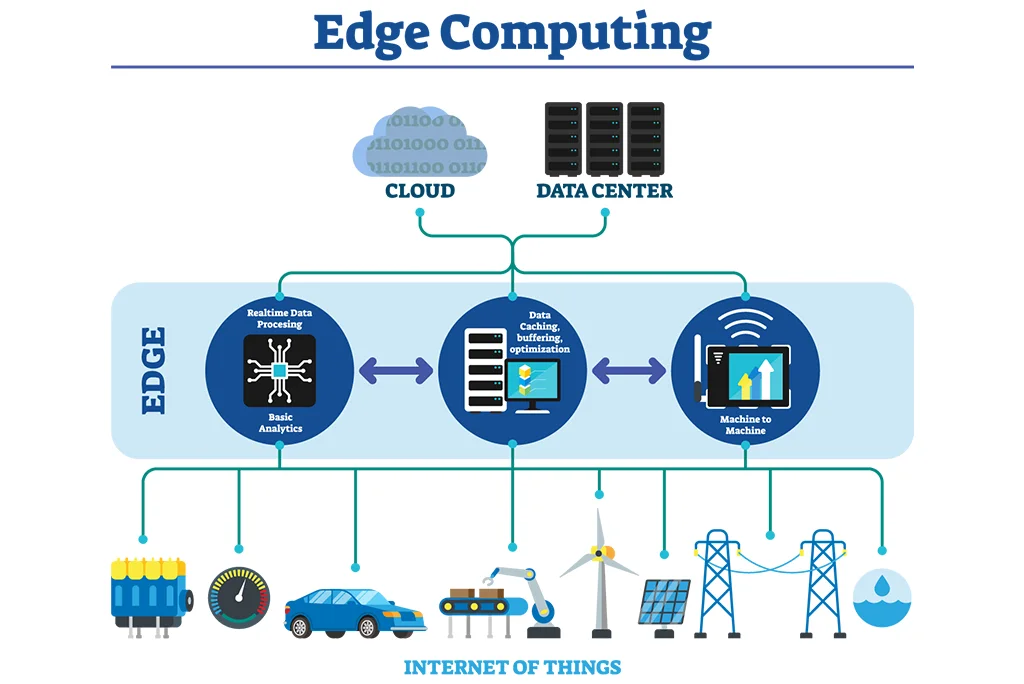
When people talk about the newest technology, they often jump straight to headlines. But under the surface, a few foundational pillars keep showing up across industries. Recognizing these pillars helps you spot real innovation early and avoid distractions.
Artificial intelligence is the most visible pillar, particularly machine learning systems that can analyze massive datasets, generate content, and automate decision-making. But AI alone doesn’t work without scalable infrastructure. Cloud and edge computing provide the raw power, flexibility, and global reach needed to deploy intelligent systems quickly.
Data is another pillar that rarely gets enough respect. The newest technology thrives on clean, well-structured, continuously updated data. Without it, even the most advanced tools become expensive toys. Finally, automation and integration tie everything together, allowing tools to talk to each other and act without constant human intervention.
What’s important here is not memorizing terms but understanding relationships. AI consumes data. Cloud platforms deliver AI at scale. Automation turns insight into action. When these pillars align, technology stops being impressive and starts being profitable.
Real Benefits and Use Cases That Actually Deliver Results



The fastest way to separate hype from value is to look at where the newest technology is already paying for itself. In healthcare, intelligent diagnostic systems reduce error rates and speed up treatment decisions. In finance, real-time fraud detection protects billions without slowing transactions. In manufacturing, predictive maintenance prevents downtime before it happens. In education, adaptive learning platforms personalize instruction at scale.
The before-and-after contrast is striking. Before, decisions relied on limited samples and delayed reports. After, they’re driven by live data and probabilistic models. Before, growth required proportional increases in staff. After, automation absorbs complexity without bloating teams.
Who benefits most? Organizations dealing with high volumes, repetitive processes, or complex decision trees see immediate returns. Individuals benefit too—especially those who learn to use the newest technology as leverage rather than competition. Writers, analysts, marketers, engineers, and operators who integrate smart tools into daily workflows often outperform peers with twice the experience.
The key outcome isn’t novelty. It’s consistency. The newest technology delivers reliable improvements in speed, accuracy, and scalability when applied intentionally.
A Step-by-Step Guide to Using the Newest Technology Effectively
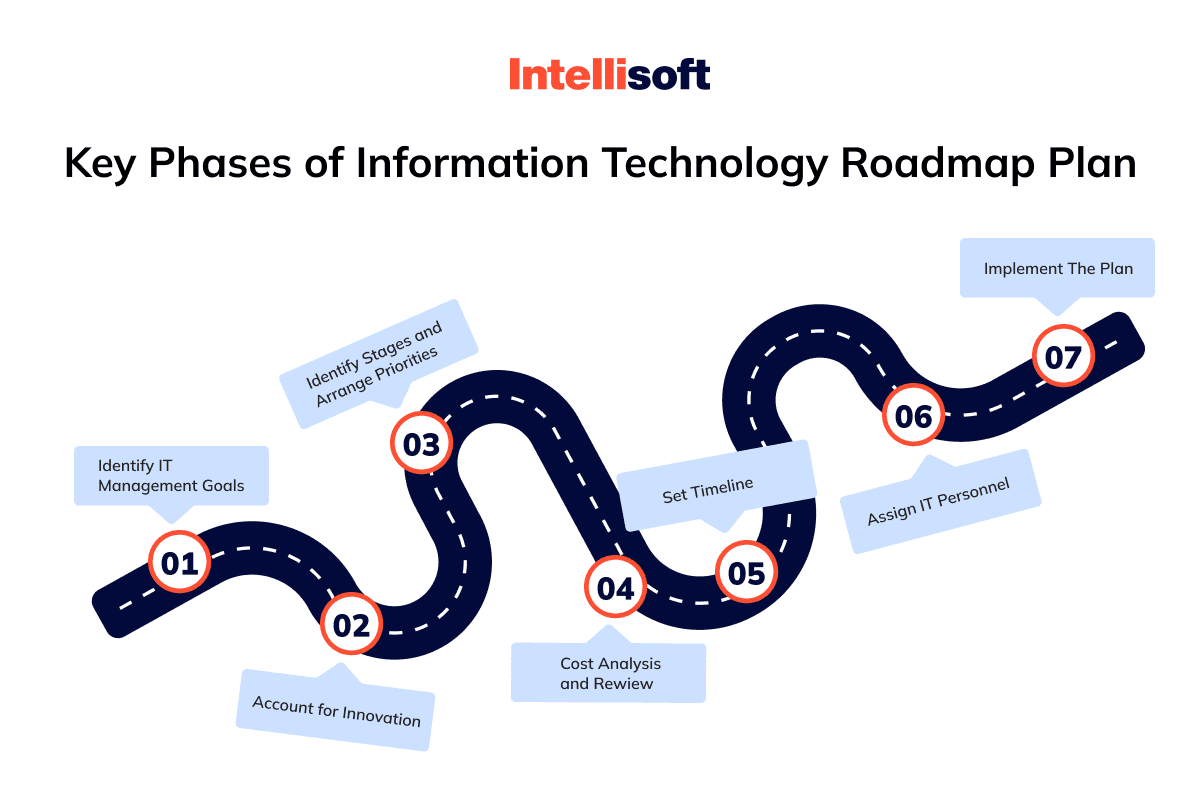
Most failures with new technology happen not because the tools are bad, but because adoption is rushed. A practical approach starts with clarity. First, define the problem you want to solve. Faster turnaround, lower costs, better insights, improved customer experience—be specific. Technology should answer a question, not create one.
Next, map your current workflow. Where are delays happening? Where do errors repeat? Where are humans doing work a system could handle better? This diagnostic step often reveals that simple automation delivers more value than complex AI.
Once the opportunity is clear, choose tools that fit your maturity level. Beginners should prioritize usability and integration. Advanced teams can optimize for customization and control. Implement in small stages, measure outcomes, and adjust. This feedback loop is essential. The newest technology improves fastest when humans stay in the loop.
Finally, invest in skill development. Tools change, but understanding how to think with technology compounds. Teams that treat learning as ongoing—not one-time—extract far more long-term value.
Tools, Comparisons, and Expert Recommendations That Hold Up in Practice

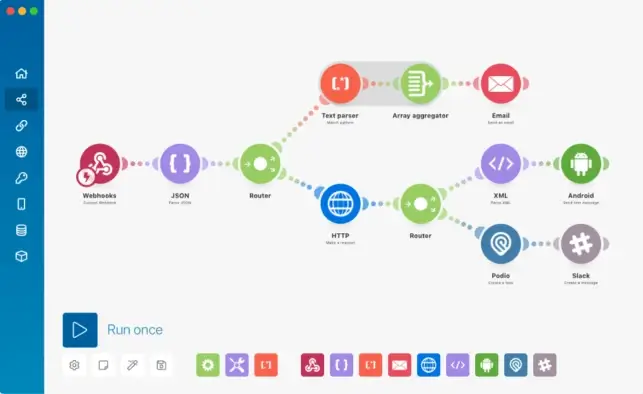

In real-world environments, tool choice matters less than tool fit. Free tools are excellent for experimentation and proof of concept. Paid platforms shine when reliability, support, and scale matter. Lightweight solutions work for solo professionals. Enterprise systems justify themselves when complexity grows.
The biggest mistake is overbuying. Advanced platforms with dozens of features often slow teams that only need three. Experts tend to recommend starting simple, then upgrading only when limitations become painful. Interoperability is another underrated factor. Tools that integrate smoothly reduce friction and adoption resistance.
From experience, the most successful setups favor ecosystems over isolated products. When analytics, automation, and collaboration tools share data, insights travel faster and decisions improve. The newest technology works best as a connected system, not a collection of shiny objects.
Common Mistakes People Make—and How to Avoid Them
The first common mistake is chasing trends without strategy. Adopting technology because competitors are doing it leads to wasted budgets and frustrated teams. The fix is anchoring every decision to a measurable goal.
Another mistake is underestimating change management. Tools don’t fail; implementations do. Without training, documentation, and leadership buy-in, even powerful systems stall. There’s also the risk of data neglect. Poor data quality quietly sabotages performance, leading people to blame the tool instead of the input.
Finally, many overlook ethical and security considerations. The newest technology can amplify bias or expose sensitive information if governance is weak. Proactive policies and audits aren’t optional; they’re part of responsible adoption.
The Strategic Future of the Newest Technology


Looking ahead, the newest technology is moving toward invisibility. The most impactful systems won’t feel “high-tech” at all. They’ll simply work—anticipating needs, adapting in real time, and fading into the background. Human-machine collaboration will define competitive advantage, not raw automation alone.
Organizations that win will be those that align technology with culture, ethics, and long-term vision. Individuals who win will be those who treat learning as a permanent skill. The future belongs to people who can think critically, ask good questions, and use technology as a multiplier rather than a crutch.
Conclusion: Turning the Newest Technology Into a Real Advantage
The newest technology isn’t something to fear or worship. It’s something to understand and apply thoughtfully. When approached with clarity, it saves time, reduces risk, and unlocks opportunities that were previously out of reach.
The takeaway is simple: start with problems, not products. Learn continuously. Measure what matters. Whether you’re running a business, building a career, or exploring new ideas, the newest technology rewards intention over impulse. Apply one insight from this guide, test one tool, refine one workflow—and build momentum from there.
FAQs
What is meant by the newest technology today?
It refers to a convergence of modern tools like AI, automation, advanced computing, and connected systems that collectively change how work and decisions happen.
Is the newest technology only for large companies?
No. Many tools are accessible to individuals and small teams, often delivering proportionally greater benefits at smaller scales.
How do I know which technology is worth adopting?
Start by identifying bottlenecks or goals. Choose tools that directly address those needs and measure results.
Will the newest technology replace jobs?
It tends to replace tasks, not entire roles. People who adapt and learn to work with it often become more valuable.
How often should I update my tech stack?
Review it regularly, but change only when current tools limit outcomes. Stability and mastery matter as much as novelty.

There’s a certain weight in the words John Authers writes—not just because of what he knows, but how he shares it. His voice doesn’t just echo facts; it builds meaning. In a world overwhelmed by rushed opinions and robotic summaries, John’s writing feels… different. It feels lived-in, thoughtful, and deeply human.
Readers don’t turn to John for headlines—they come for context. They come for that rare blend of clarity, insight, and emotional depth that turns financial journalism into something closer to storytelling. His reflections on markets, geopolitics, or human behavior aren’t just readable—they’re relatable.
What sets John apart isn’t just his experience (though he has plenty of it). It’s his ability to pause, reflect, and explain the why behind the what. He writes like someone who’s been in the room where it happens—but never forgets the reader who hasn’t.
In 2025, when AI churns out articles in milliseconds, John Authers still writes like a human—and that, more than anything, is what makes his work worth reading.