If you’ve ever flown on a commercial aircraft, relied on GPS navigation, followed geopolitical defense news, or watched how modern warfare is discussed on prime-time television, you’ve already brushed up against raytheon technology—whether you realized it or not.
This isn’t hype. It’s lived reality.
Raytheon’s technologies don’t announce themselves with flashy consumer branding. They operate behind the scenes, embedded in radar systems, missile defense platforms, aircraft engines, cybersecurity frameworks, and space-based sensing networks that quietly define how nations protect airspace, how airlines operate safely, and how global security decisions are made.
This article is for readers who want more than surface-level explanations. If you’re a technology enthusiast, defense analyst, aerospace professional, investor, policymaker, student, or simply someone curious about how modern defense and aerospace ecosystems truly work, this guide is designed for you.
By the end, you’ll understand:
- What raytheon technology really encompasses today
- Why it matters now more than ever
- Where it’s used in the real world
- How its systems are designed, deployed, and improved
- What most people misunderstand about defense technology
- Where Raytheon fits in the future of aerospace, security, and space
This isn’t a press release. It’s a practical, experience-informed breakdown of one of the most influential technology ecosystems on the planet.
Raytheon Technology Explained: From Legacy Defense to Integrated Systems
When people hear “Raytheon,” they often picture missiles and radar screens. That’s not wrong—but it’s incomplete.
At its core, raytheon technology refers to a deeply integrated portfolio of aerospace, defense, cybersecurity, propulsion, sensing, and command-and-control systems developed under Raytheon Technologies (now operating under the brand RTX).
Think of it less like a single product company and more like a systems architect. Raytheon doesn’t just build components—it designs ecosystems where hardware, software, data, and human decision-making intersect.
A helpful analogy is air traffic control. Radar alone doesn’t keep planes safe. Neither does software alone. Safety emerges when sensors, communications, analytics, and human operators function as one system. That’s Raytheon’s core competency.
Historically, Raytheon made its mark in radar and missile systems during World War II and the Cold War. Over decades, that expertise expanded into:
- Advanced sensing and radar
- Missile defense and precision weapons
- Secure communications
- Cyber and intelligence systems
- Aerospace engines and avionics
- Space-based surveillance and navigation
Today, raytheon technology sits at the convergence of defense and aerospace, with heavy crossover into civilian aviation and space exploration.
What separates it from many competitors is systems integration. Raytheon technology isn’t about building the “best widget.” It’s about ensuring every widget works together under extreme conditions—jamming, cyberattacks, weather disruptions, and real-time combat stress.
That’s why its technologies are trusted in environments where failure isn’t an option.
Why Raytheon Technology Matters Right Now
Defense and aerospace are not static industries. They evolve in response to real-world pressure.
And right now, pressure is everywhere.
Modern threats are faster, more distributed, and more complex than ever before. Hypersonic weapons, drone swarms, electronic warfare, space-based assets, and cyber intrusions all operate simultaneously. Traditional, siloed defense systems simply can’t keep up.
Raytheon technology matters because it was built for this complexity.
Instead of reacting to individual threats, Raytheon focuses on:
- Early detection through advanced sensors
- Rapid data fusion across platforms
- Real-time decision support
- Layered defense architectures
- Secure communications across domains (air, land, sea, space, cyber)
In civilian aerospace, similar pressures exist. Airlines demand:
- Higher fuel efficiency
- Predictive maintenance
- Enhanced safety systems
- Reduced downtime
- Seamless avionics integration
Raytheon’s aerospace divisions address these needs using the same philosophy: integrate systems, don’t isolate them.
This relevance isn’t theoretical. It’s why governments continue awarding long-term contracts, airlines rely on Raytheon-derived avionics, and space agencies partner on sensing and propulsion systems.
Core Pillars of Raytheon Technology
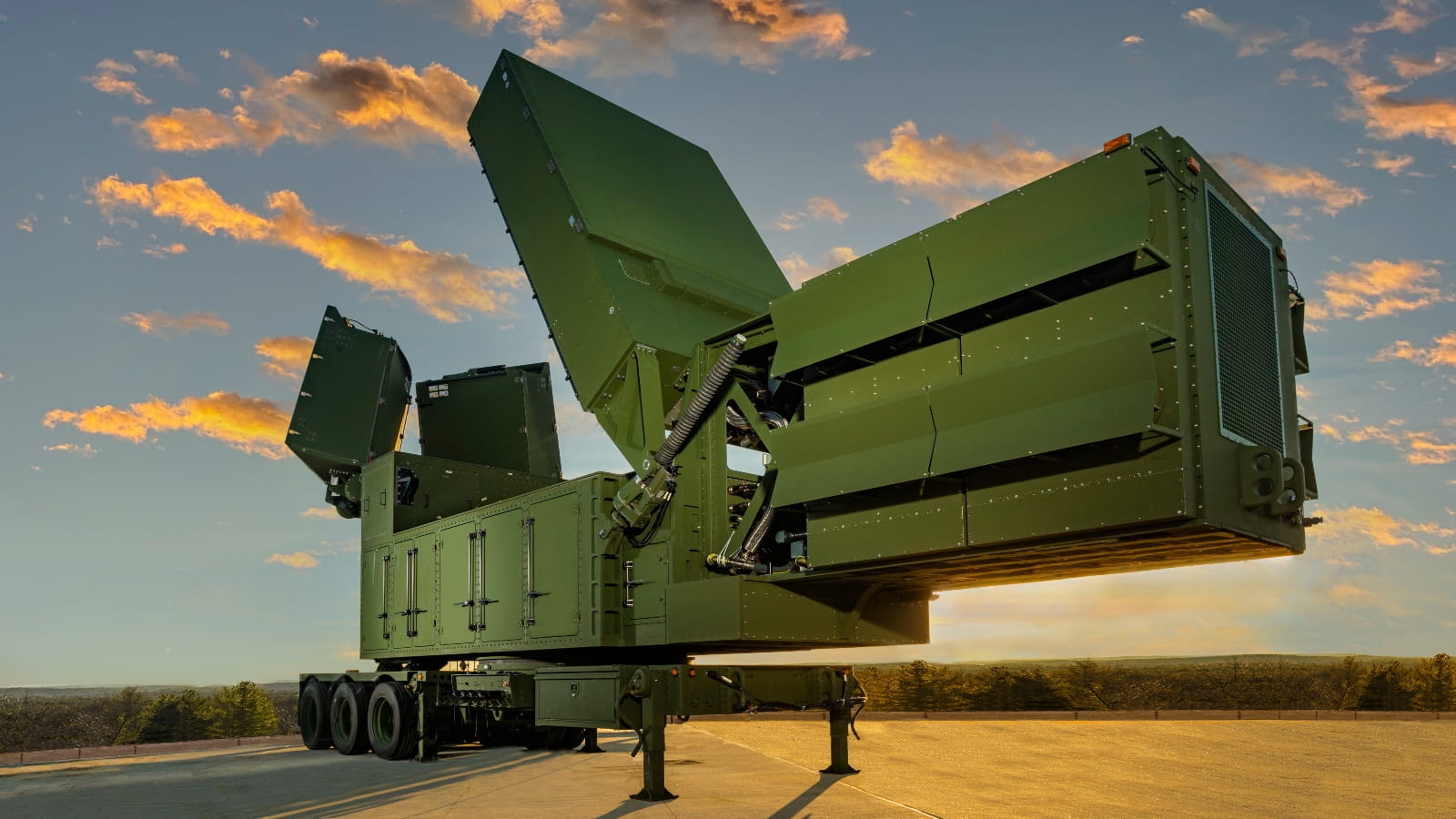


To understand raytheon technology holistically, it helps to break it into core pillars. Each pillar solves a different problem—but they’re designed to work together.
Advanced Sensing and Radar Systems
Raytheon’s radar systems are often described as the “eyes” of modern defense. They detect, track, classify, and prioritize objects across massive distances.
These systems don’t just see farther—they see smarter. Modern raytheon technology uses:
- Phased-array radar
- Active electronically scanned arrays (AESA)
- Multi-domain sensing (air, surface, space)
- AI-assisted signal processing
The result is faster detection, better discrimination between threats and noise, and resilience against electronic interference.
Missile Defense and Precision Strike
Missile defense is one of Raytheon’s most visible domains. But what’s less understood is how layered these systems are.
Rather than relying on a single interceptor, raytheon technology integrates:
- Early-warning sensors
- Tracking radars
- Command-and-control software
- Interceptors across multiple ranges
This layered approach improves reliability and reduces the risk of single-point failure.
Aerospace Engines and Avionics
On the civilian side, Raytheon-derived technologies power aircraft engines, navigation systems, and flight controls.
Avionics systems integrate:
- Navigation
- Communication
- Flight management
- Weather data
- Safety alerts
Pilots don’t think about Raytheon during a routine flight—but they rely on its technology constantly.
Cybersecurity and Secure Communications
Modern defense systems are only as strong as their digital security. Raytheon invests heavily in:
- Secure networks
- Encrypted communications
- Cyber resilience
- Electronic warfare countermeasures
These capabilities ensure systems remain operational even under cyberattack.
Real-World Use Cases: Where Raytheon Technology Delivers Results
Technology only matters when it delivers outcomes. Raytheon technology excels because it performs under real-world pressure.
National Defense and Airspace Protection
Raytheon systems monitor national airspace, detect unauthorized incursions, and support rapid response decisions. In real scenarios, this means:
- Faster threat identification
- Reduced false alarms
- Better coordination between agencies
Commercial Aviation Safety
Avionics and engine technologies improve:
- Fuel efficiency
- Predictive maintenance
- Pilot situational awareness
- Passenger safety
Airlines save money while improving reliability—a rare win-win.
Space and Satellite Systems
Raytheon-developed sensors and propulsion systems support:
- Earth observation
- Missile warning satellites
- Space situational awareness
As space becomes more contested, these technologies grow in importance.
Disaster Response and Weather Monitoring
Advanced radar and sensing systems are also used for:
- Storm tracking
- Disaster response coordination
- Environmental monitoring
This crossover into civilian life is often overlooked but critically important.
How Raytheon Technology Is Designed and Deployed (Step-by-Step)
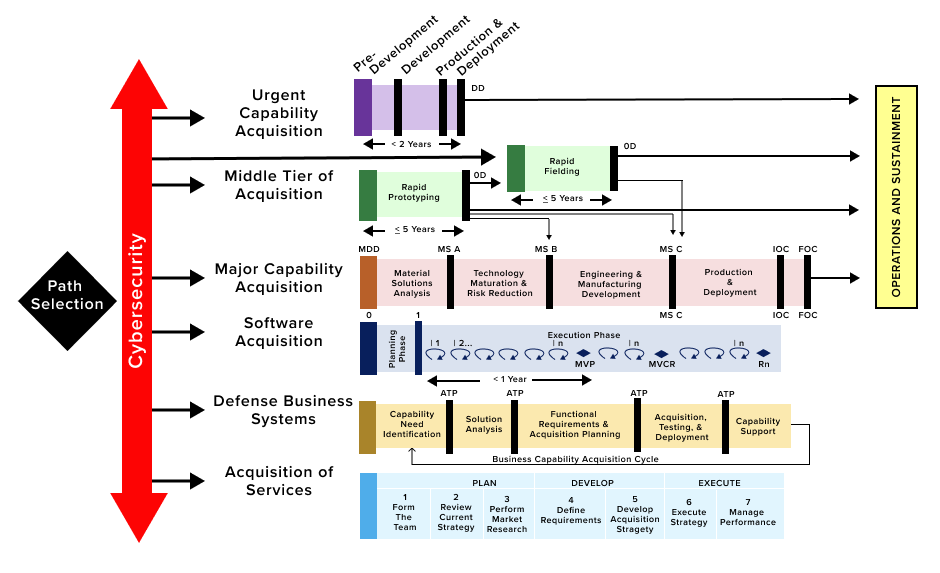

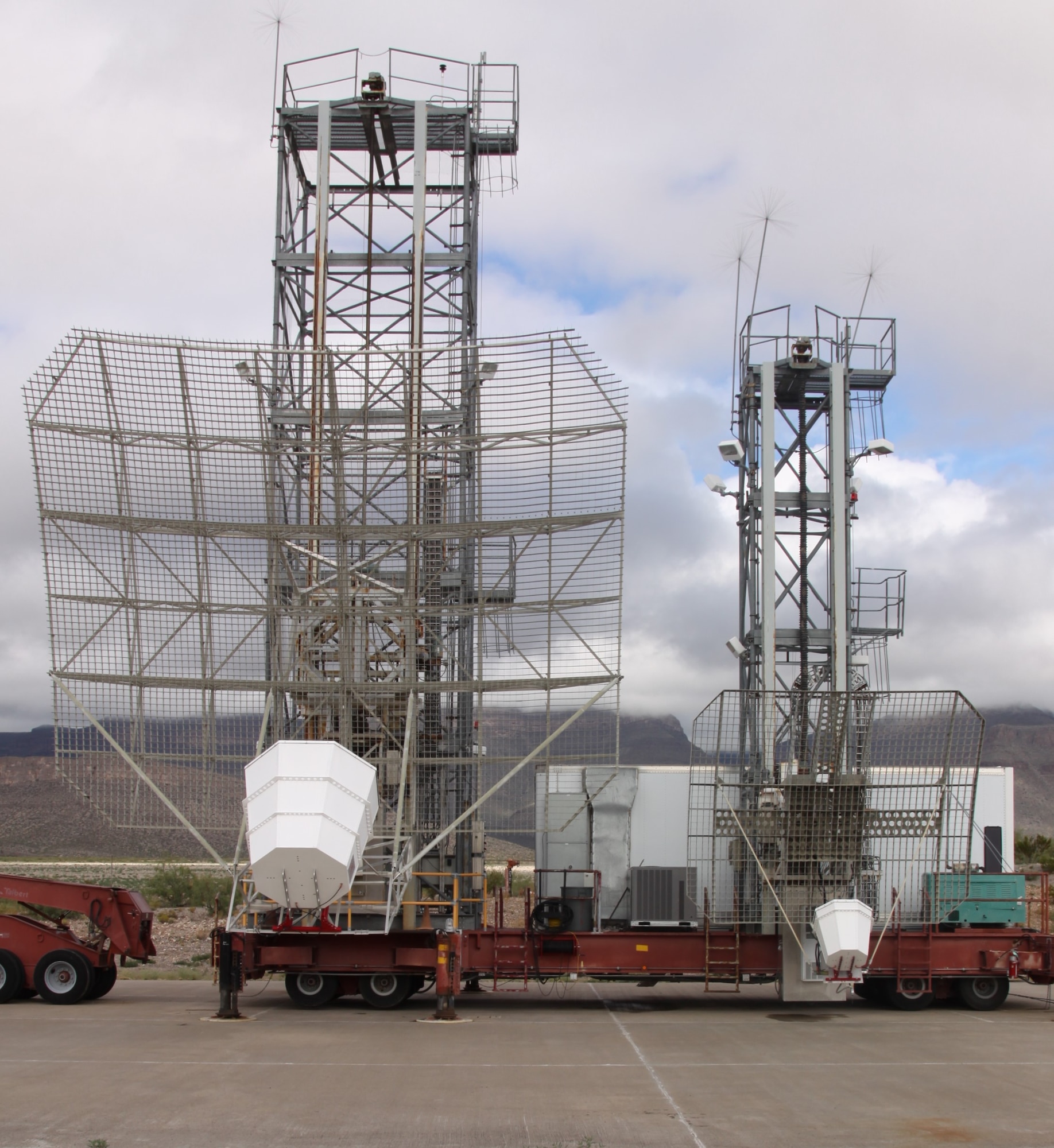
Understanding raytheon technology requires understanding its development process. It’s methodical, conservative where needed, and innovative where it matters.
Step 1: Threat and Requirement Analysis
Everything starts with a real-world problem:
- New threat types
- Operational gaps
- Performance limitations
Engineers work closely with end users to define requirements.
Step 2: Systems Architecture Design
Rather than designing isolated components, Raytheon designs the full system:
- Sensors
- Software
- Communications
- Human interfaces
This prevents integration failures later.
Step 3: Prototyping and Simulation
Advanced modeling and simulation allow testing under extreme conditions before hardware is deployed.
Step 4: Testing and Validation
Raytheon is known for exhaustive testing:
- Environmental stress
- Cyber resilience
- Redundancy checks
Step 5: Deployment and Continuous Improvement
Systems are deployed incrementally, with ongoing updates based on real-world feedback.
This process explains why Raytheon systems are trusted in mission-critical environments.
Tools, Platforms, and Expert Recommendations
Raytheon technology isn’t something individuals “install,” but professionals interact with its platforms constantly.
Professional-Grade Systems
Best for:
- Governments
- Airlines
- Defense contractors
Pros:
- Proven reliability
- Long lifecycle support
Cons:
- High cost
- Complex procurement
Commercial Derivatives
Some Raytheon technologies influence commercial tools:
- Simulation platforms
- Avionics software
- Cybersecurity frameworks
These are more accessible but still enterprise-focused.
Expert Insight
In practice, Raytheon systems work best when organizations:
- Invest in training
- Plan long-term integration
- Avoid piecemeal adoption
Trying to shortcut systems integration is the fastest way to reduce effectiveness.
Common Misconceptions and Costly Mistakes
Even experienced professionals misunderstand raytheon technology.
Mistake 1: Viewing Systems in Isolation
Raytheon systems are designed to work together. Treating them as standalone tools reduces effectiveness.
Mistake 2: Underestimating Cyber Risk
Advanced hardware is useless without secure software. Cyber resilience must be built in from day one.
Mistake 3: Expecting Consumer-Speed Updates
Defense and aerospace systems prioritize stability over rapid iteration. That’s intentional.
What Most People Miss
Raytheon’s real value isn’t any single product—it’s decades of integration experience under real-world constraints.
The Future of Raytheon Technology
Raytheon technology is evolving toward:
- AI-assisted decision systems
- Hypersonic defense
- Space-based sensing
- Autonomous systems integration
These trends point toward systems that don’t just react—but anticipate.
For a deeper technical overview, this explainer video provides helpful visual context:
https://www.youtube.com/watch?v=ZkV8R6G9k9Q
Conclusion: Why Raytheon Technology Deserves Attention
Raytheon technology isn’t about headlines. It’s about reliability, integration, and trust earned over decades.
It matters because:
- Modern threats are complex
- Aerospace systems demand precision
- Security depends on integration, not isolation
Whether you’re studying defense, working in aerospace, investing, or simply curious about how modern systems stay operational, understanding raytheon technology gives you a clearer picture of how the world actually works.
If there’s one takeaway, it’s this: the most important technologies are often the quietest.
FAQs
What is raytheon technology best known for?
Advanced radar, missile defense, aerospace systems, and secure communications.
Is Raytheon technology used in civilian applications?
Yes, especially in aviation, weather monitoring, and space systems.
How does Raytheon differ from other defense companies?
Its strength lies in systems integration rather than standalone products.
Is raytheon technology evolving with AI?
Yes, AI is increasingly used for data fusion and decision support.
Does Raytheon only work with governments?
No. It also supports airlines, space agencies, and commercial partners.

There’s a certain weight in the words John Authers writes—not just because of what he knows, but how he shares it. His voice doesn’t just echo facts; it builds meaning. In a world overwhelmed by rushed opinions and robotic summaries, John’s writing feels… different. It feels lived-in, thoughtful, and deeply human.
Readers don’t turn to John for headlines—they come for context. They come for that rare blend of clarity, insight, and emotional depth that turns financial journalism into something closer to storytelling. His reflections on markets, geopolitics, or human behavior aren’t just readable—they’re relatable.
What sets John apart isn’t just his experience (though he has plenty of it). It’s his ability to pause, reflect, and explain the why behind the what. He writes like someone who’s been in the room where it happens—but never forgets the reader who hasn’t.
In 2025, when AI churns out articles in milliseconds, John Authers still writes like a human—and that, more than anything, is what makes his work worth reading.