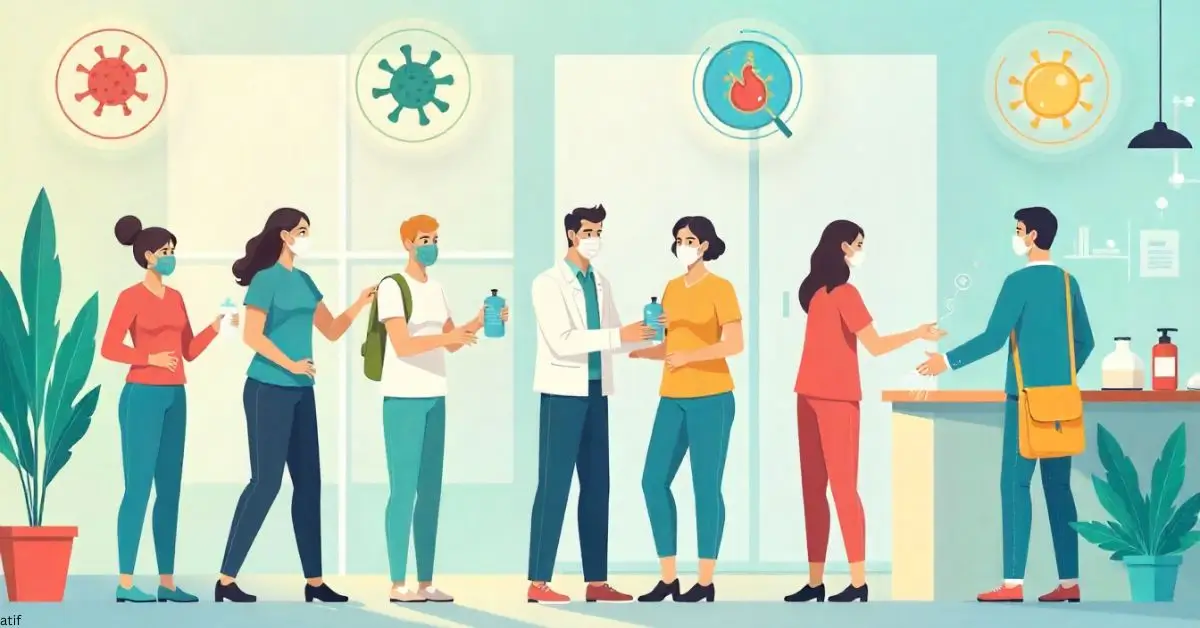
The phrase skip the germs has become a lifestyle mantra. With seasonal flu, new variants of respiratory viruses, and the simple fact that our lives involve shared spaces—from public transport to gyms—the risk of exposure is real. But here’s the good news: by using smarter germ prevention tips and applying consistent hygiene hacks, you can drastically reduce your chances of getting sick.
One traveler shared online: “I used to catch a cold every other trip. Since I started carrying wipes and skipping the germs in crowded airports, I haven’t been sick once.”
That small shift in mindset—being proactive instead of reactive—can make a huge difference.
Everyday Hygiene Practices That Actually Work
We’re told constantly to “wash your hands” or “cover your mouth.” But what actually works in 2025 for maintaining a germ-free lifestyle?
Handwashing Importance
It might sound basic, but handwashing importance can’t be overstated. According to global health reports, proper handwashing reduces transmission of common illnesses by over 40%. The key? At least 20 seconds with soap and water, especially after touching shared surfaces like doorknobs or elevator buttons.
Sanitization Tips for On-the-Go
When you can’t reach a sink, sanitizer is your best friend. Choose one with at least 60% alcohol for maximum protection. Pro tip: keep a travel-sized bottle clipped to your bag for quick use.
At-Home Hygiene Hacks
- Disinfect “high-touch” items like your phone, keyboard, and remote control.
- Switch to antimicrobial dish sponges and wash them often.
- Use separate towels for hands and dishes to stop the spread of germs.
Germ Prevention Tips for Crowded Spaces
Crowds are unavoidable, but that doesn’t mean you have to accept constant exposure. Here’s how to skip the germs when you’re out and about:
- Public Transport: Avoid touching handrails when possible, and use tissues as a barrier for buttons.
- Airports & Planes: Wipe tray tables and armrests—studies show they’re germier than bathroom handles.
- Gyms: Always wipe equipment before and after use. Carry your own mat if possible.
These simple everyday hygiene practices don’t just keep you safe—they protect others, too.
How to Avoid Germs in Social & Work Settings
You can’t isolate yourself forever, and you shouldn’t. Human interaction is key to wellbeing. But you can still skip the germs smartly:
In the Office
- Don’t share desk items like pens or headphones.
- Disinfect shared equipment like printers or conference tables.
- Encourage coworkers to follow the same sanitization tips.
At Social Gatherings
- Opt for serving utensils instead of communal finger food.
- Wash hands before meals, even at restaurants.
- Keep personal space if someone nearby is visibly unwell.
Immune-Boosting Habits to Strengthen Your Defenses
Skipping germs isn’t only about blocking them—it’s also about building resilience.
- Nutrition: Add immune-supporting foods like citrus, garlic, ginger, and leafy greens.
- Sleep: Poor sleep weakens your immune system’s ability to fight off infections. Aim for 7–8 hours.
- Exercise: Moderate daily movement helps circulation and immune response.
- Stress Management: Chronic stress lowers your defenses. Practices like meditation, journaling, or even a walk outside can help.
Together, these immune-boosting habits prepare your body to defend itself naturally.
Germ-Free Lifestyle: Myths vs. Reality
There’s a fine line between healthy hygiene and germ paranoia. Let’s clear up some misconceptions:
- Myth: You need to disinfect every single item daily.
- Reality: Focus on high-touch areas; over-sanitizing can reduce natural exposure your body needs to build defenses.
- Myth: Hand sanitizer works better than soap.
- Reality: Soap is still the gold standard for removing germs; sanitizer is just the backup.
- Myth: You should avoid all public spaces to skip germs.
- Reality: Smart prevention is more realistic than total avoidance.
By finding balance, you’ll create a sustainable germ-free lifestyle without stress.
Real-Life Example: A Commuter’s Experience
One commuter posted: “Before the pandemic, I never thought twice about holding subway rails. Now, I carry wipes and wash up right after getting home. I’ve noticed I rarely get sick anymore.”
This illustrates how simple everyday hygiene practices combined with germ prevention tips can transform your health over time.
Advanced Sanitization Tips for 2025
Technology is reshaping how we skip germs:
- UV Sanitizers: Portable UV light devices disinfect phones, glasses, and even masks in seconds.
- Smart Soap Dispensers: Touchless sensors reduce cross-contamination in shared bathrooms.
- Air Purifiers: HEPA filters with ionization help reduce airborne germs in homes and offices.
Adopting these tools brings a modern edge to classic hygiene.
Practical Ways to Stay Healthy Long-Term
Skipping germs isn’t a one-time act—it’s a mindset. Build habits gradually:
- Start with consistent hand hygiene.
- Add immune-boosting routines like better sleep.
- Layer in sanitization tips like wiping surfaces.
- Teach children how to avoid germs early to build lifelong habits.
FAQ’s
How can I skip the germs at school or work
Focus on handwashing, sanitizing shared surfaces, and keeping personal items separate. Encourage group hygiene practices.
Is it possible to completely live a germ-free lifestyle?
Not entirely. Small, regular exposures actually strengthen immunity. The goal is balance, not perfection.
What are the top germ hotspots I should avoid?
Phones, keyboards, gym equipment, door handles, and public transport rails are among the worst offenders.
Do immune-boosting habits really make a difference?
Yes. Nutrition, sleep, and stress management directly impact your body’s defense systems, making you more resilient to germs.
Final Thoughts
Learning how to skip the germs is about smart prevention, not obsession. By blending germ prevention tips, hygiene hacks, immune-boosting habits, and sanitization strategies, you can create a healthier lifestyle that sticks.

Liam is a freelance writer, blogger, and digital media journalist. He has a management degree in Supply Chain & Operations Management and Marketing and boasts a wide-ranging background in digital media.